How to Find a Sitter For Your Farm
Finding someone to care for a farm is very different from hiring a traditional pet sitter. Farm animals often require specialized feeding schedules, medication administration, enclosure management, and careful observation for signs of illness or stress. Whether you have chickens, goats, horses, alpacas, pigs, or other livestock, choosing the right farm sitter can make a major difference in your animals’ safety and well-being while you are away.
In Fort Collins, many pet owners are looking for experienced, reliable farm sitters who understand animal behavior, welfare, and species-specific care, not just someone who can stop by and refill food bowls.
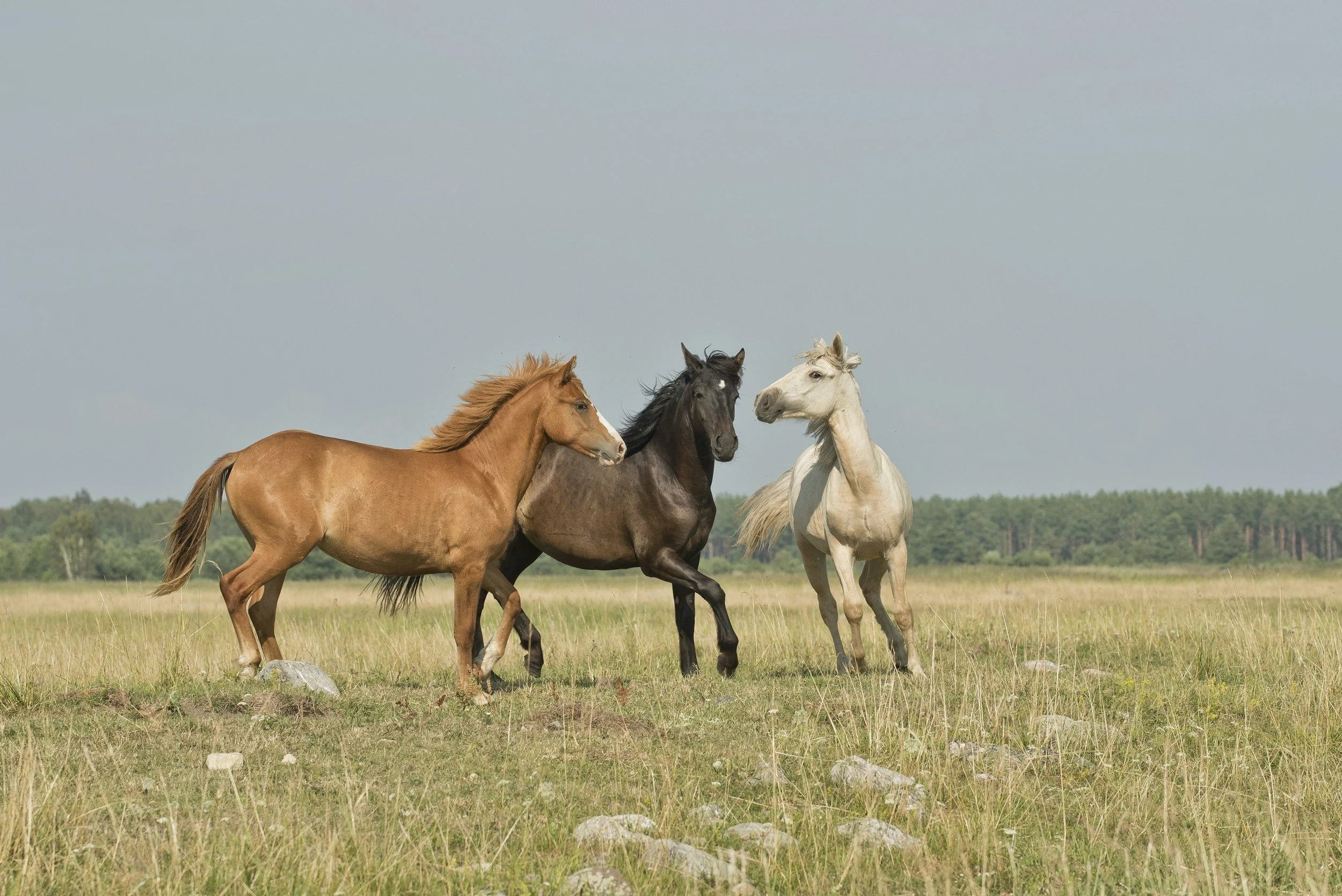
Why Farm Sitting Requires Specialized Experience
Farm sitting is a bit different from working with typical domestic pets. Some niche areas of knowledge include:
Handling different types of animals
De-escalating emergency situations involving large animals
Knowing that livestock animals tend to be more stoic and hide signs of illness or injury
Understanding farm animal behavior to improve safety
Providing enrichment to reduce livestock stress
An experienced farm sitter should be able to work with a variety of hobby farm species and have these specialized skills.
What to Look for in a Farm Sitter
When searching for a sitter to watch your farm while you are away, here are some of the things to look for:
Experience With a Wide Variety of Species: Your sitter should have experience with the animals you have (chickens, goats, sheep, horses, donkeys, cattle, pigs, llamas, alpacas, etc.)
Knowledge of Animal Behavior: This is key to your sitter being able to recognize signs that an animal is stressed, unwell, or injured faster. They should then be able to do things like reduce fear and stress when handling, identify medical concerns, and prevent injuries.
Reliability and Communication: Before the stay, make sure you have a meet & greet to discuss things like frequency of updates, what you’d like to know when you’re updated, what happens in the event of an emergency, and detailed care instructions.
Additional Certifications and Insurance: While not required for someone to do a good job, it can bring you some piece of mind to know your farm sitter is insured and has put in the extra effort to gain certifications that complement their job duties.
Reviews and References: References and reviews will let you know if your sitter has done a good job in the past. If you can’t find these online, ask your sitter if they can provide these.
While this is not a comprehensive list of what to look for, it’s a great starting point to know what sorts of things you should be seeing in a sitter when they take care of your farm.

Common Farm Sitting Tasks
Every farm is a little different but there are some common tasks your sitter should be prepared to perform, including:
Feeding and watering
Cleaning stalls and coops
Administering medication
Monitoring animal health
Providing enrichment
Make sure that your prepare a detailed list of what tasks your pet sitter should be performing. During the meet & greet, it’s a good idea to show your sitter exactly what they will be doing for clarity.

Red Flags to Watch For
While there are so many fantastic farm sitters out there, there are a few red flags you should pay attention to before hiring a sitter.
No Livestock Experience: Sometimes you might have a really unusual animal that few people will have experience with but they can still figure it out if they have experience with a wide variety of species. However, people that have never worked with any animals other than dogs or cats may find livestock and exotics to be a lot more challenging.
Limited Understanding of Animal Behavior: A sitter who doesn’t understand animal behavior very well may end up putting themselves or your animals in a dangerous situation if they can’t read body language correctly or handle animals appropriately.
Poor Communication: If your sitter doesn’t comply with your communication requirements, you may be left feeling uneasy about whether your animals are being cared for appropriately. Ensure that your sitter is willing to communicate based on your preferences before hiring.
Lack of Emergency Planning: Even when we think everything will go great, there is always a risk of an emergency whether it be an injury, illness, or natural disaster. It can be especially challenging if you live more remotely with animals that can’t just be put in the back seat of a car and taken to the vet. Your sitter should ask you about emergency planning during the meet & greet. Be prepared to discuss the options with them.
Why Choose Jigsaw Animal Behavior and Welfare Consulting?
Jigsaw Animal Behavior and Welfare Consulting LLC provides science-driven care to animals of all types. Charlie, owner and animal care professional, has worked with sanctuaries, zoos, shelters, and more, gaining experience with behavior, enrichment, and husbandry needs for a wide variety of taxa. She has taken care of several hobby farms around Northern Colorado and promises to provide reliable, behavior-focused care to all animals. See more about Charlie here.
Contact Jigsaw Animal Behavior and Welfare Consulting today to learn more about customized farm care services: https://www.jigsawconsulting.org/pet-sitting-fort-collins
Final Thoughts: Behavior-Focused Farm Services
Choosing the right farm sitter is about more than convenience—it’s about protecting the health, safety, and welfare of your animals. An experienced sitter who understands animal behavior and species-specific care can help reduce stress and provide peace of mind while you are away
Frequently Asked Questions
What animals can a farm pet sitter care for?
Many professional farm sitters can care for chickens, goats, horses, sheep, pigs, alpacas, rabbits, and exotic farm animals.
How much does farm pet sitting cost in Fort Collins?
Pricing varies based on the number of animals, visit frequency, and level of care required. At Jigsaw, prices will be similar to other services depending on length of time required. Starting costs are $25 per visit but increase with larger amounts of work and travel if you live more remotely.
What tasks will a farm sitter perform?
Farm sitters should be fairly flexible to perform tasks, but keep in mind that longer tasks will generally increase costs. Common tasks include feeding and watering, coop and stall cleaning, providing enrichment, and health monitoring.
Should my farm sitter have animal behavior experience?
Yes. Understanding animal behavior improves safety, handling, welfare, and early recognition of health concerns.