Animal Behavior Training for Shelter, Zoo & Sanctuary Staff
While many organizations have staff that are interested in animal behavior, they may have specific teams that specialize in behavioral intervention for animals. However, it is important that all staff that work with the animals understand the basic fundamentals of behavior so that they can support behavioral plans and maintain consistency in the workplace.

What Does Behavior Training Look like?
Behavior training should incorporate a mix of learning theory and practicing skills.
Behavior Theory
Staff should learn:
The differences between classical and operant conditioning
The different strategies used for training and behavior management
What the organization’s philosophy is on training and behavior management and why positive reinforcement and graded counterconditioning are preferred methods
The science behind arranging antecedents to produce a behavior and giving consequences for that behavior in a timely manner
How to use the animal’s natural history to understand welfare and, consequently, their enrichment needs
Practicing Skills
Staff should practice:
Using a marker (clicker or verbal)
Delivering treats (or other consequences)
Troubleshooting antecedent arrangement
Creating training and behavior management plans
Innovating new forms of enrichment for animals
Who Should Receive Behavior Training?
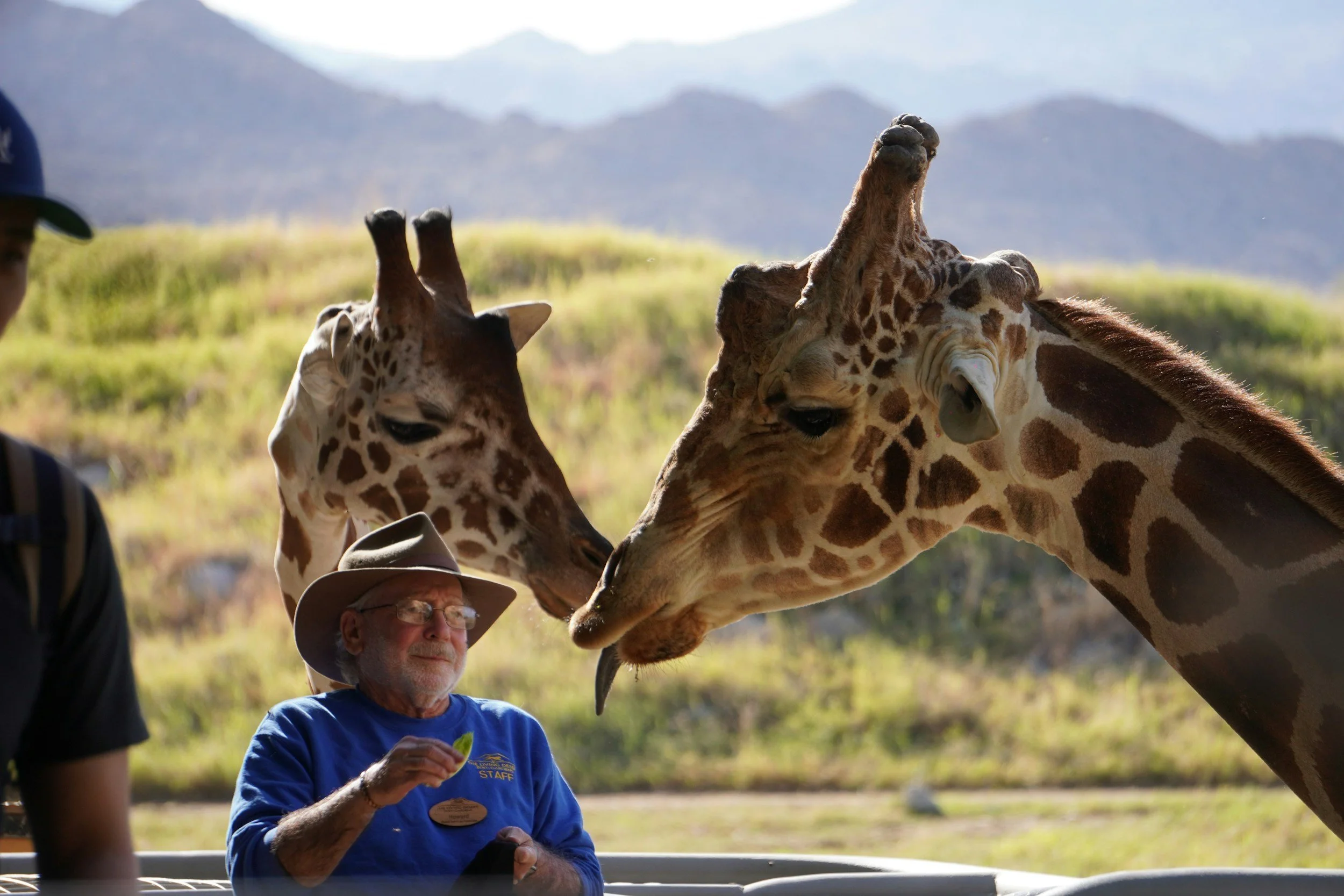
Anyone interested in animal behavior should be given the opportunity to receive animal behavior training. However, some key personnel that must be included are:
Animal care staff of all levels
Animal care volunteers
Veterinarians
Animal management staff
Educators or interpreters that may speak about the training and behavior management process to visitors
If engineering staff are present on site, it can be useful to include them as well since they can work with animal care staff to engineer better environments for the animals, build tools to help with antecedent arrangement, and assist in creating enrichment as needed.
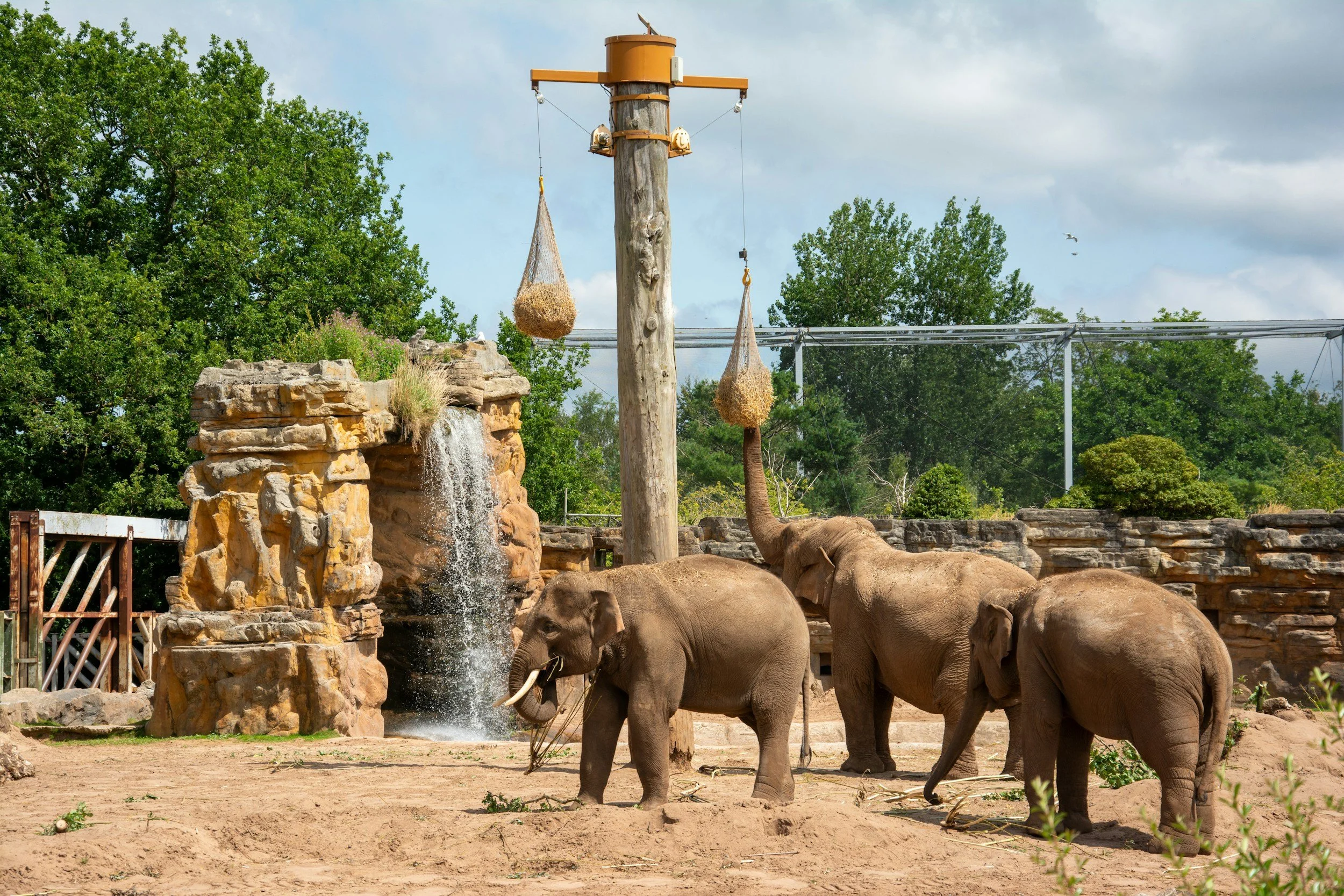
How All Staff can Play a Role in Animal Behavior
Animal Care Staff
Of course the animal care staff are integral to behavioral management. They often are the people providing enrichment, assessing welfare, and training animals to participate in routine care or shift from one space to the next for environmental maintenance.
Volunteers
Especially when nonprofit facilities rely heavily on volunteers, it’s important that they have an understanding of behavior if they are interacting with the animals. Volunteers are often used to help with enrichment, cleaning, and other tasks that may require the assessment of how an animal interacts with its enrichment, shifting animals from one space to the next without using force or fear, and even just generally providing socialization to the animals.
Veterinarians
Cooperative care can really help veterinarians in their wellness exams with animals. For example, if an animal is trained for voluntary blood draws, then that is less sedation or force the vet needs to use, and an overall less stressful experience for everyone, including the animal.
Animal Management Staff
While managers may or may not be working as hands-on with the animals, it’s important that they understand animal behavior so they can provide adequate guidance and allocate the proper amount of time and staffing for animal training and behavioral management.
Educators and Interpretors
Docents, volunteers, and education staff should all have a basic understanding of animal behavior so they can teach the public about strategies used to train the animals. Visitors may ask and it’s important that they can answer their questions regarding the behavioral management process.
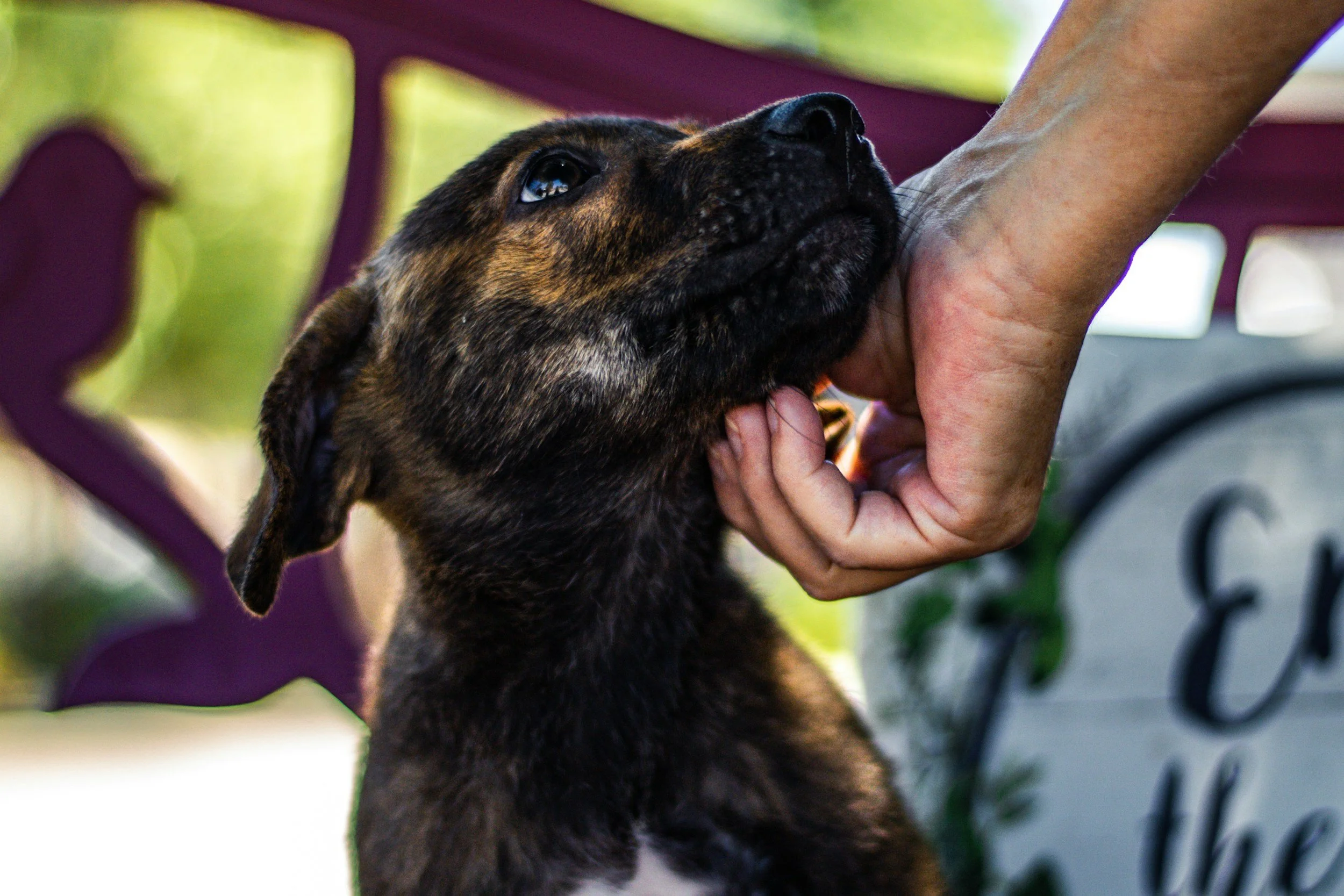
Which Nonprofit organizations Benefit from Animal Behavior Training for their Staff?
Animal Shelters
Animals that are relinquished to a shelter may have behavioral issues related to neglect, lack of socialization, fear of being in an unfamiliar environment, etc. Anyone that works with these animals should be able to interpret species-specific body language and use techniques to give the animals more choice and control.
Zoos
When working with potentially dangerous species, many zoos have no-contact requirements for their animal care staff. This adds another layer of difficulty to handling animals for routine care. Cooperative care training is essential when working with exotic species. Understanding the various species’ natural history can also help in creating enriched environments that improve animal wellbeing in human care.
Animal Sanctuaries
Sanctuaries incorporate the needs of both shelters and zoos. They are often working with neglected or fearful animals and those animals tend to be more exotic/potentially dangerous. This means that they need to be able to reduce stress by using cooperative care training and graded counterconditioning techniques. Seeing as most of these animals are not domestic species, their natural history should inform habitat design and enrichment needs.
Using Jigsaw Animal Behavior and Welfare Consulting to Educate your Staff
Jigsaw Animal Behavior and Welfare Consulting, LLC was started by Charlie Payne who is a PhD candidate in animal behavior and welfare. She has assisted on many projects to improve animal wellbeing using behavioral interventions and became a certified interpretive guide during her professional science’s masters in zoo, aquarium, and animal shelter management. She has a strong understanding of the nonprofit business structure, having obtained a graduate certificate in nonprofit administration as well.
One of Jigsaw’s main services for nonprofit organizations—like animal shelters, zoos, and sanctuaries—is staff education. This may look like:
Informative presentations covering behavior and welfare theory
Showcasing work Charlie has done to inspire projects at your facility
Using interactive activities to help your staff learn in a more hands-on way
To take advantage of this service for your staff, see more about Jigsaw here:
https://www.jigsawconsulting.org/animal-behavior-welfare-consulting-nonprofits
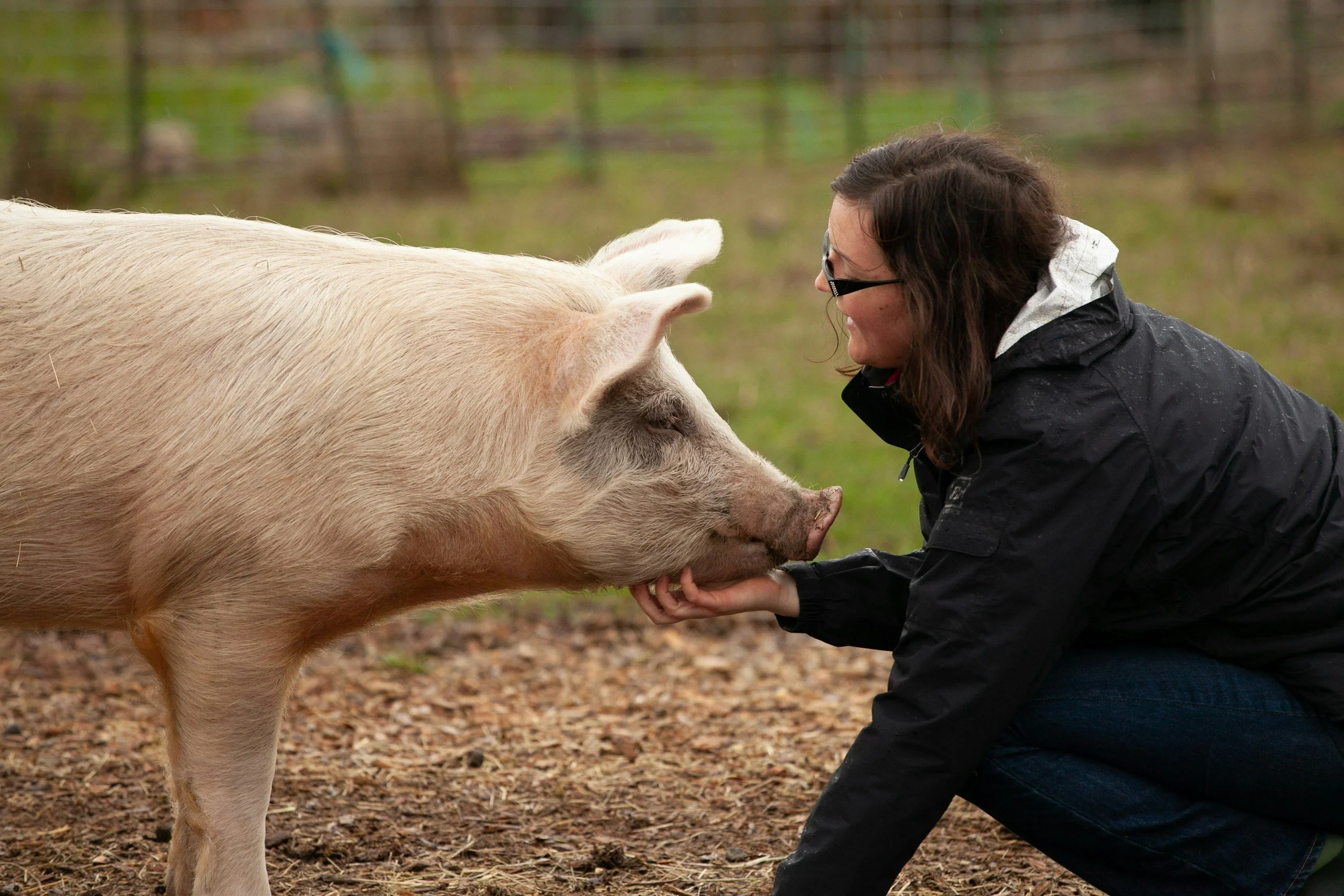
Final Thoughts: Everybody Can Chip in to Imrpove Animal Behavior and Welfare
While having a behavior-specific team is great, everyone can play a part in helping animal wellbeing through behavioral intervention. It is necessary to include anyone that interacts with animals in staff behavior training. Not only will this create better consistency across all teams, it helps everyone chip in to improve animal behavior and welfare.

Frequently Asked Questions
What is animal behavior training for nonprofit organizations?
Animal behavior training teaches staff how animals learn, communicate, and respond to their environment. It combines behavior science with hands-on skills so employees and volunteers can safely and effectively support animal welfare.
Who should receive animal behavior training?
Animal behavior training benefits everyone who interacts with animals, including animal care staff, volunteers, veterinarians, supervisors, educators, interpreters, and even maintenance or engineering staff who help design habitats and enrichment.
What topics are covered in animal behavior training?
Most training programs cover positive reinforcement, cooperative care, behavior management planning, reading animal body language, creating effective enrichment, and strategies for improving animal welfare through daily interactions.
How does staff behavior training improve animal welfare?
Training helps staff recognize signs of stress, provide appropriate enrichment, and respond consistently to animal behavior. This consistency can reduce fear and frustration while improving welfare, husbandry, and veterinary care.
What organizations benefit from staff training?
Animal behavior training is valuable for animal shelters, zoos, aquariums, and animal sanctuaries. However, any organization that cares for animals can benefit from educating staff on behavior and welfare best practices.