How to Choose the Right Pet Trainer in Fort Collins, CO
Choosing the right pet trainer in Fort Collins can significantly impact your pet’s behavior, emotional well-being, and long-term success. Not all trainers use the same methods or have the same qualifications, so it’s important to evaluate their experience, training philosophy, and ability to meet your pet’s unique needs. Here’s how to choose a trainer you can trust.
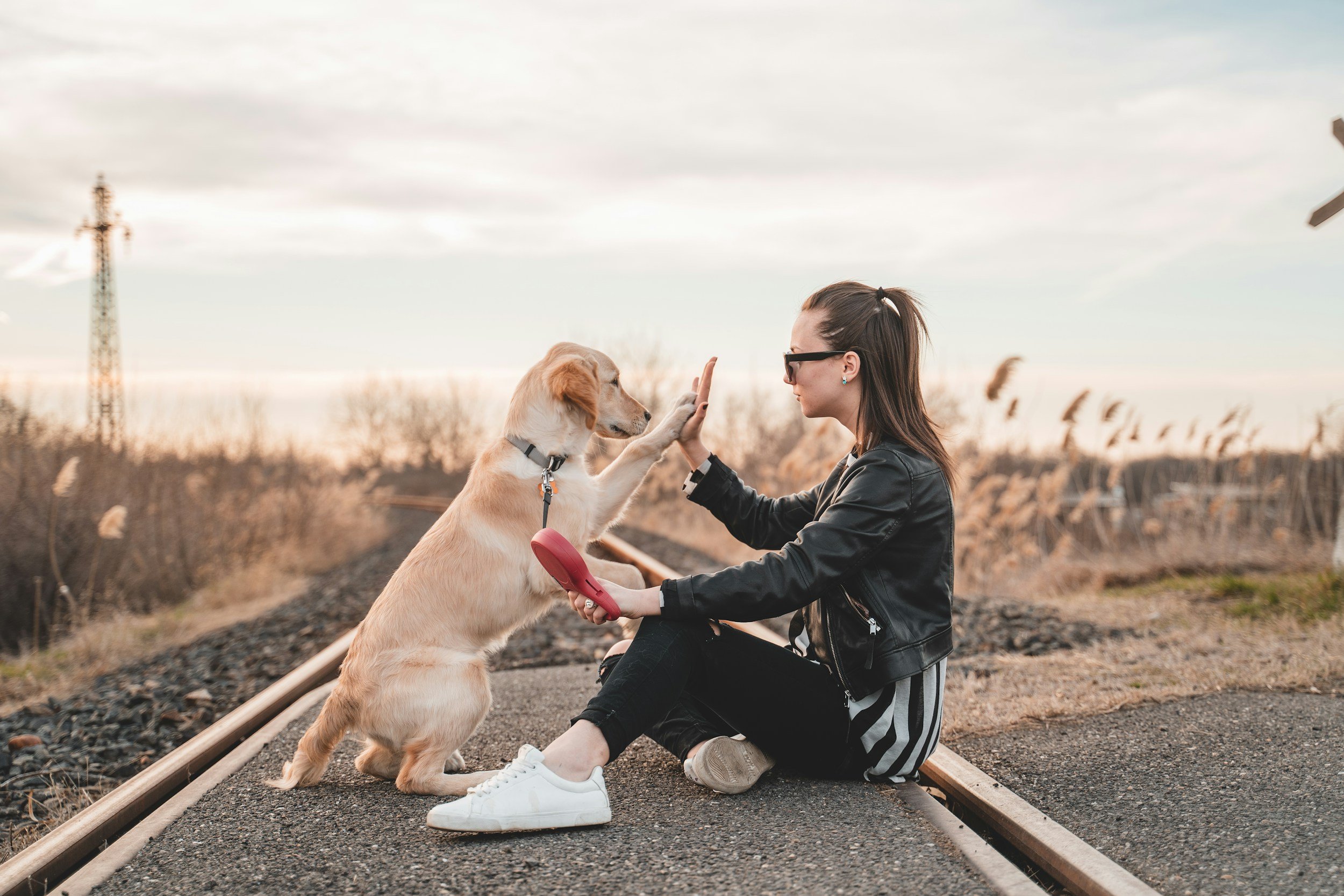
Why Choosing the Right Trainer Matters
Training isn’t just about getting your pet to listen to you; it’s about:
Building confidence and trust
Increasing emotional welfare
Improving safety for both pets and their humans
The wrong trainer can worsen anxiety, fear, or behavioral issues.
Look for Positive Reinforcement-Based Methods
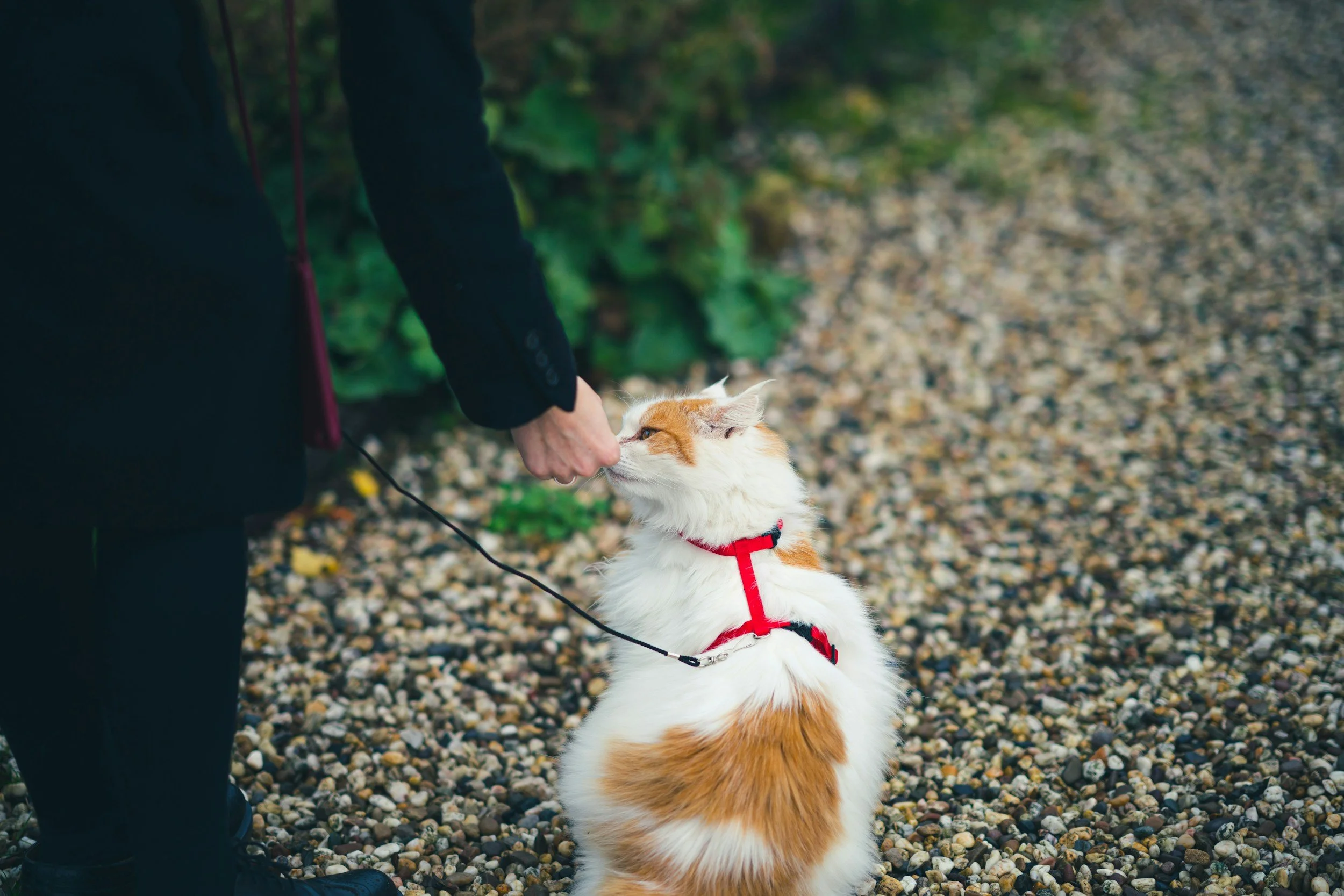
One of the most important factors to look for in a trainer is their philosophy. Look for trainers that use:
Reward-based methods
Science-backed approaches
Stress reduction strategies
Avoid trainers who use:
Fear and intimidation methods
Outdated terms such as “alpha,” “command,” or “master”
Pain-based tools without proper behavioral assessment beforehand
The latter trainer is using quick fixes that can cause worse behavior problems as your pet learns to fear you rather than trust you.
Check Qualifications and Experience
Ask about:
Formal education in animal behavior
Certifications and continued education
Experience with your pet’s specific needs
With several different types of certifications out there, it can be important to ask about what those entail.
Consider Your Pet’s Unique Needs
Different pets require different approaches. For example:
Reactive and fearful pets need counterconditioning approaches
Puppies require short and frequent sessions with lots of socialization
Multi-pet households benefit from providing individualized attention to each pet
An experienced trainer should use individualized plans rather than one-size-fits-all programs.
Other Things to Consider
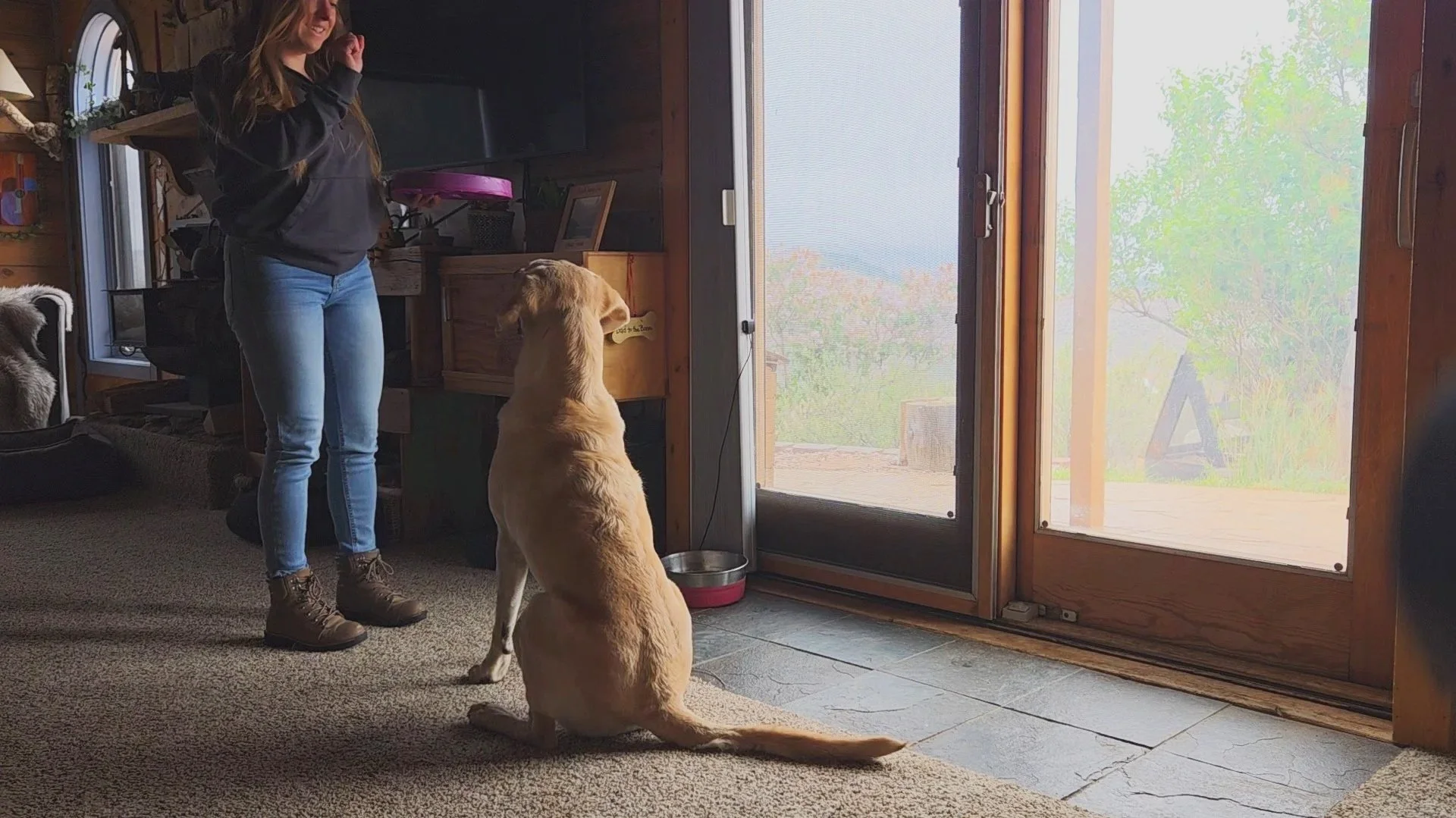
On top of the training philosophy, qualifications, and experience, you’ll want to consider:
References and Reviews: Check your trainer’s website, social media, and Google for their client’s experience working with them.
Communication Style: A good trainer should explain their methods, respect your concerns, and focus on empowering and educating you rather than making you feel pressured or discouraged.
Local Expertise: While virtual training exists and is a great and cheaper option for some people, a nearby trainer knows the community resources, understands local challenges, and can provide personalized, ongoing support much easier.
Final Thoughts: Finding the Right Pet Trainer in Fort Collins
The best pet trainer isn’t necessarily the cheapest or most popular—it’s the one whose experience, philosophy, and approach align with your pet’s needs and your long-term goals.
Looking for behavior-focused, welfare-centered pet training in Fort Collins?
At Jigsaw Animal Behavior and Welfare Consulting, I provide personalized training and behavior support designed to improve communication, reduce stress, and strengthen the human-animal bond.
Learn more about my pet training and behavior management services:
https://www.jigsawconsulting.org/pet-training-behavior-management
Frequently Asked Questions
What should I look for in a pet trainer?
Look for humane methods, experience, clear communication, and qualifications relevant to your pet’s needs.
Is positive reinforcement the best training method?
For most pets, science-supported positive reinforcement methods are highly effective and support long-term welfare.
How much does pet training cost in Fort Collins?
Costs vary depending on services, specialization, and trainer experience.
Can the wrong trainer make behavior problems worse?
Yes—aversive or inappropriate methods can increase fear, stress, and behavioral challenges.