

What Happens During a Pet Sitting Drop-in?
During a pet sitting drop-in, a sitter provides essential care like feeding, potty breaks, and basic cleaning, along with attention, exercise, and monitoring your pet’s well-being. Depending on the sitter’s experience and your pet’s needs, visits may also include medication, enrichment, and behavioral support. Here’s a closer look at what to expect.
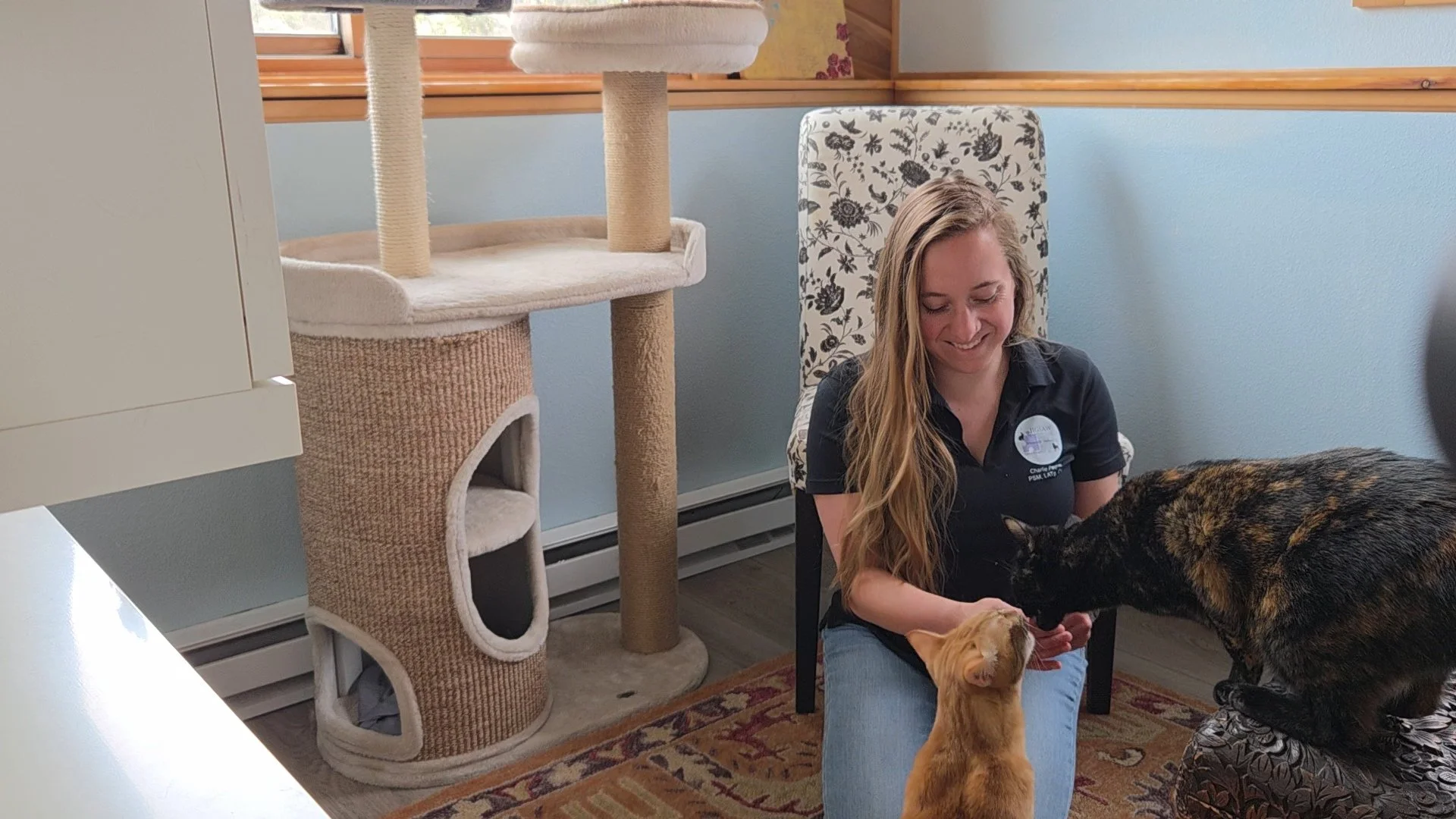
Charlie Payne of Jigsaw Animal Behavior and Welfare Consulting LLC feeding a pair of cats food enrichment during a pet sitting visit
What is a Pet Sitting Drop-in?
A pet sitting drop-in is a scheduled visit at your home to care for your pet while you are away. Visits typically range from 15-60 minutes long depending on the level of care required and include things like:
Basic care
Enrichment and exercise
Behavioral and health management
Communication
Basic Care Provided During Every Visit
Most pet sitting visits include:
Providing food and fresh water
Potty breaks or litterbox cleaning
A quick visual health check
Cleaning up and accidents or spilled food as needed
These tasks ensure your pet’s immediate needs are taken care of.
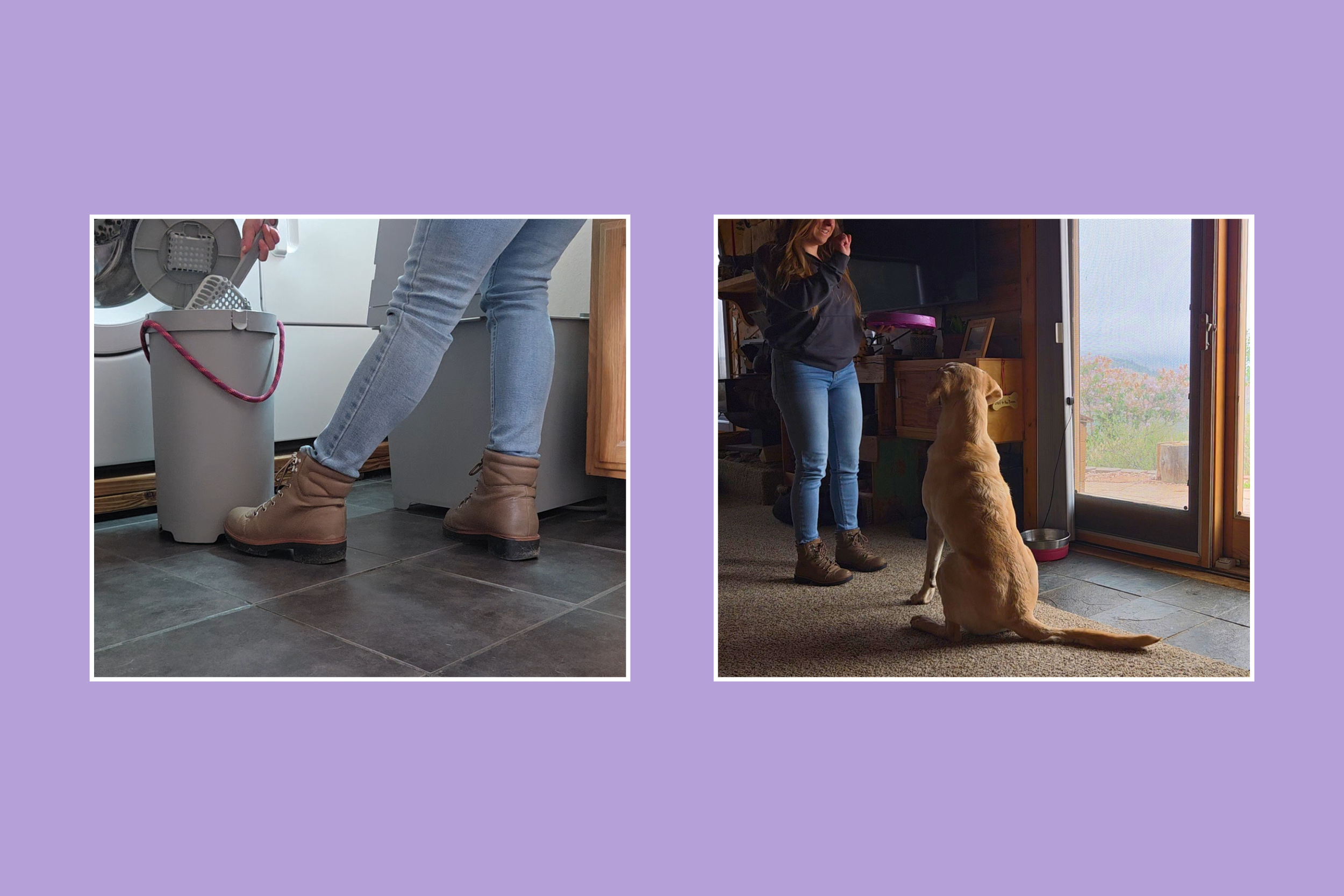
Charlie Payne of Jigsaw Animal Behavior and Welfare Consulting scooping a litter box and asking a yellow lab to sit and wait before feeding him during a pet sitting visit.
Exercise and Enrichment
Beyond basic care, a quality drop-in service ensures your pets are provided with meaningful interactions, which can include:
Walks or playtime
Mental enrichment (e.g. toys, training games, treat puzzles)
Affection and companionship
This is especially important for high energy pets, pets who love social interaction, and pets who are prone to boredom.

Charlie Payne of Jigsaw Animal Behavior and Welfare Consulting LLC throwing a ball for a dog during a pet sitting visit.
Monitoring your pet’s Behavior and Health
A professional sitter doesn’t just complete basic tasks — they look for:
Changes in appetite or energy
Signs of stress or anxiety
Unusual behavior or discomfort
Early detection of these issues can make a significant difference in your pet’s well-being.
Medication and Specialized Care
Some sitters also provide additional support, such as:
Administering medication
Caring for senior pets
Supporting pets with behavioral needs
Not all sitters offer this, so it’s important to ask in advance.
Updates and Communication
Most professional pet sitters provide updates after each visit. These may include:
Photos or videos
A summary of the visit
Notes on behavior or concerns
Consistent communication helps you stay connected and reassured while you are away.

A typical check-in message from a pet sitter to the pet’s owner to let them know everything is going well.
What a Visit lOoks Like (Example)
30-minute visit example:
5 minute greeting and check in
5 minutes for feeding, refreshing water, and providing medication as needed
15 minutes for walk or playtime
5 minutes for clean-up and update
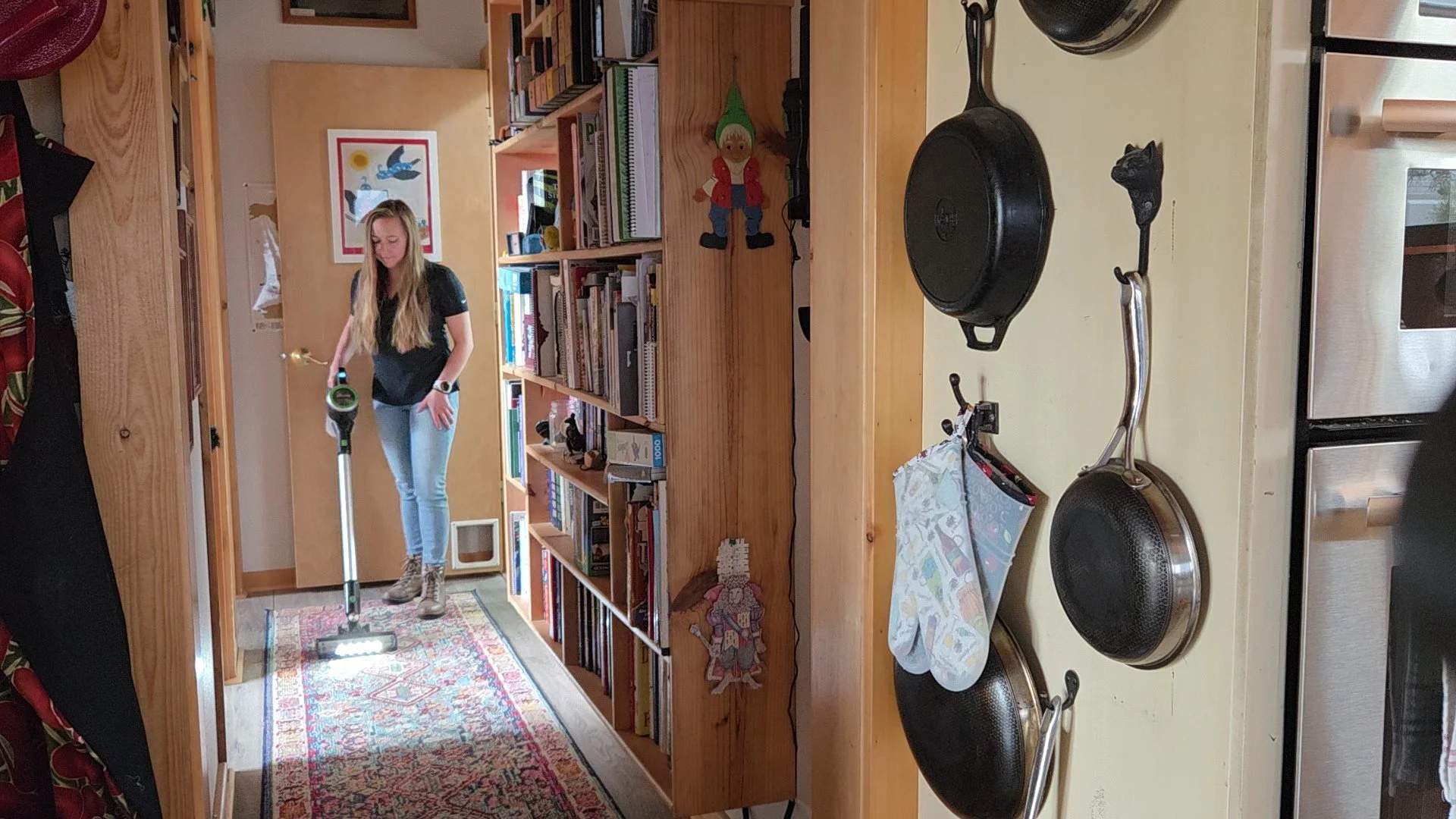
Charlie Payne of Jigsaw Animal Behavior and Welfare Consulting LLC vacuuming and cleaning the home during a pet sitting visit
what can Change from One Sitter to Another?
Not all pet sitting visits are same. Differences may include:
Time spent with your pet
Level of interaction or enrichment
Experience with behavior or medical needs
Quality of communication
This is why choosing the right sitter matters.
How to Make the Most of Each Visit
To ensure your pet gets the best care:
Schedule a meet & greet to go over where things are and let your pet meet your sitter before you leave
Provide clear instructions
Share behavioral notes and preferences
Communicate expectations up front
Final Thoughts: More than Just a Quick Check-in
A pet sitting visit is more than just stopping by—it’s an opportunity to provide care, comfort, and consistency for your pet while you’re away. The quality of that visit can make a big difference in your pet’s overall experience.
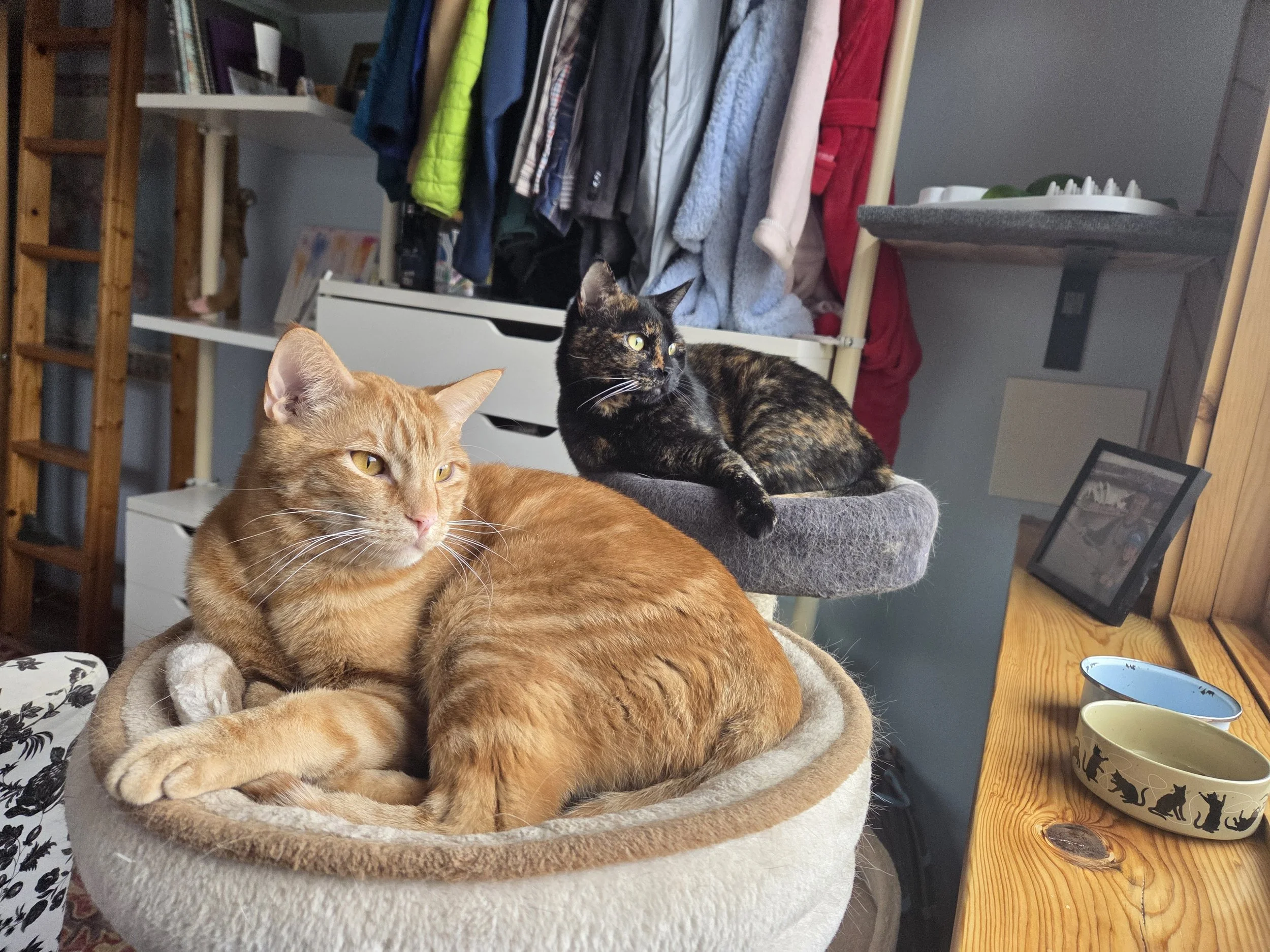
A pair of kitties resting on their cat tree and watching out the window during a pet sitting visit.
Looking for thoughtful, behavior-focused pet sitting in Fort Collins?
At Jigsaw Animal Behavior and Welfare Consulting, I provide in-home visits that go beyond the basics, supporting your pet’s physical and emotional well-being.
Learn more about my services:
https://www.jigsawconsulting.org/pet-sitting-fort-collins
Frequently Asked Questions
How long is a typical pet sitting visit?
Most visits range from 15 to 60 minutes depending on your pet’s needs and the service selected.
Do pet sitters stay the whole time?
Professional sitters typically stay for the full scheduled visit length.
Will my pet get enough attention during a visit?
This depends on the visit length and sitter, but quality visits include interaction, not just basic care.
Can pet sitters give medication?
Some sitters offer this service, especially those with experience or training—always ask ahead of time.