Reading Dog Body Language: Eyes
While dogs cannot speak to us in the same words we use, they are still communicating with us in a way that we can understand with a little bit of practice. It is important to be able to interpret what they are saying correctly to mitigate stress and reduce the chances of bites, scratches, or broken trust between you and your dog. I have often seen that people think they know what a tail wag means, but it can in fact be a lot more nuanced than just a tail wag. In this series, I will describe exactly what to look for in dog body language to understand what they are silently trying to communicate to us.
The first thing I want to explain are two terms: distance increasing and distance decreasing signals. Distance increasing signals are behaviors that dogs do to show that they want to us increase the distance between them and the other person or animal—in other words: “back off!” Distance decreasing signals are behaviors that dog do to show that it is okay to decrease the distance between them and the other person or animal. In other words: “I’m okay with you coming a little closer.” I will explain what each of these different signals look like in each major area of the dog’s body. Here we will focus on the eyes.

Distance Increasing Signals (left) are how your dog tells you to back up. Distance Decreasing Signals (right) are how your dog tells you that you are welcome to come a little closer.
How your dog’s eyes might suggest you back off
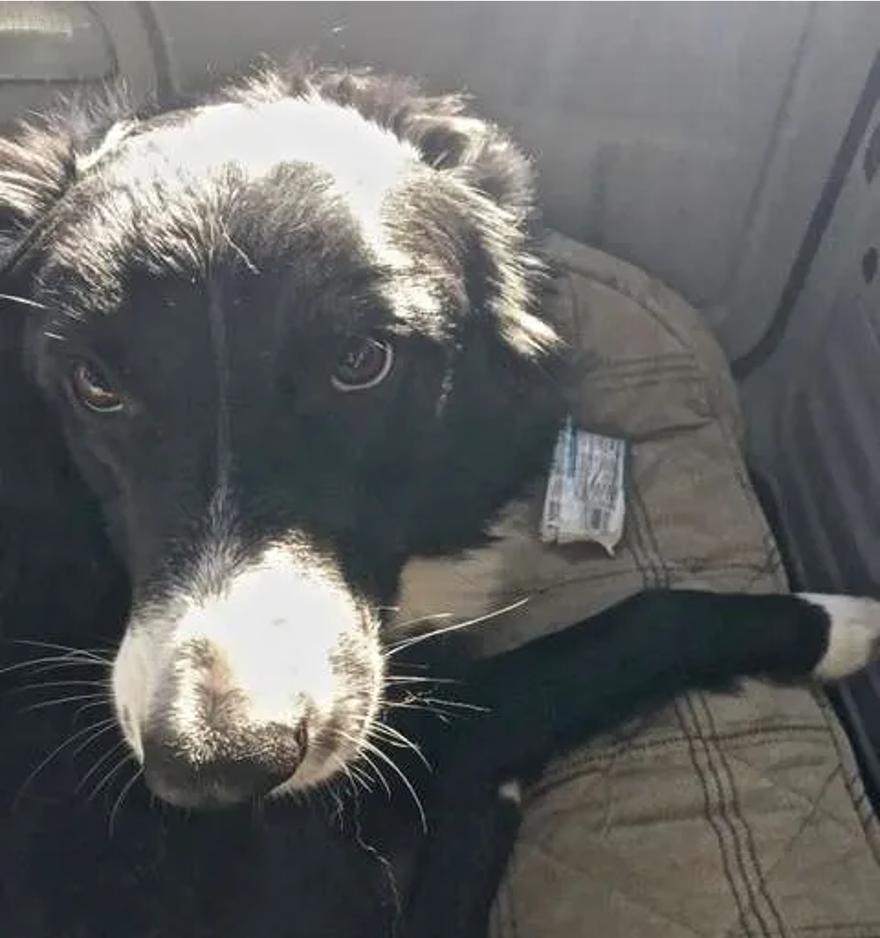
We might find our dog’s big wide eyes adorable. They might look “guilty” to us, and we feel bad and want to get closer to give them a hug or pet them. This is not really what your dog is looking for and you need to be wary of further escalations in their body language when approaching. If your dog is feeling uncomfortable or scared, they will avoid direct eye contact by turning their face away from you and side eyeing you instead. They will widen their eyes so that you can see the whites of their eyes, and you will often see their pupils get bigger as well. This is what we call whale eye. It is one of the first signs that your dog is uncomfortable with a situation and you should not continue pressuring them.
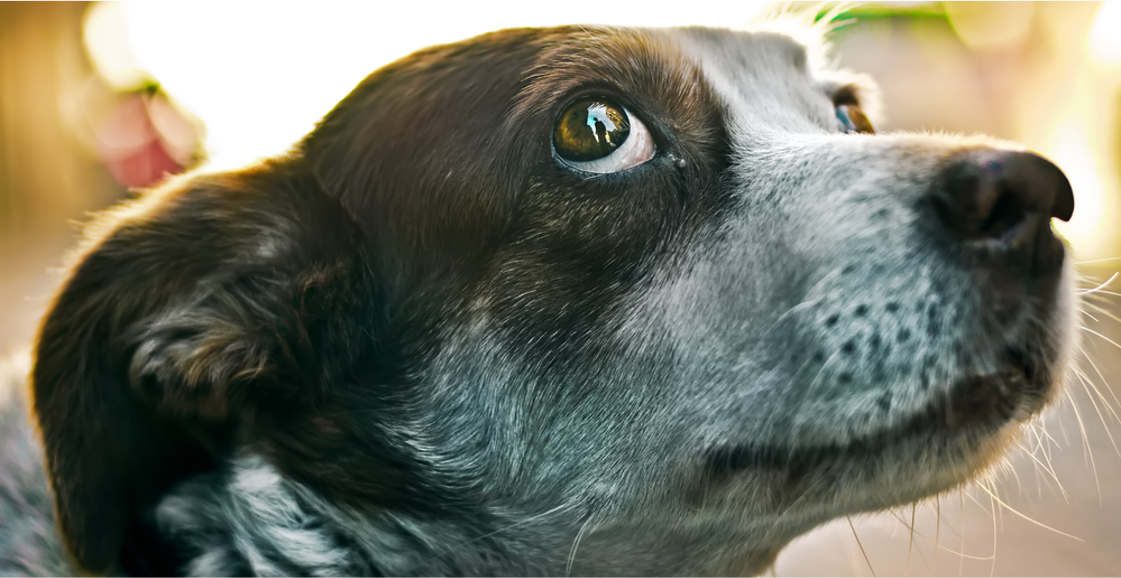
Whale Eye is a way that dogs tell us they are uncomfortable with the situation. It is characterized by side-eyeing, body language that is turned away from the person, and more visible sclera (whites of the eyes).
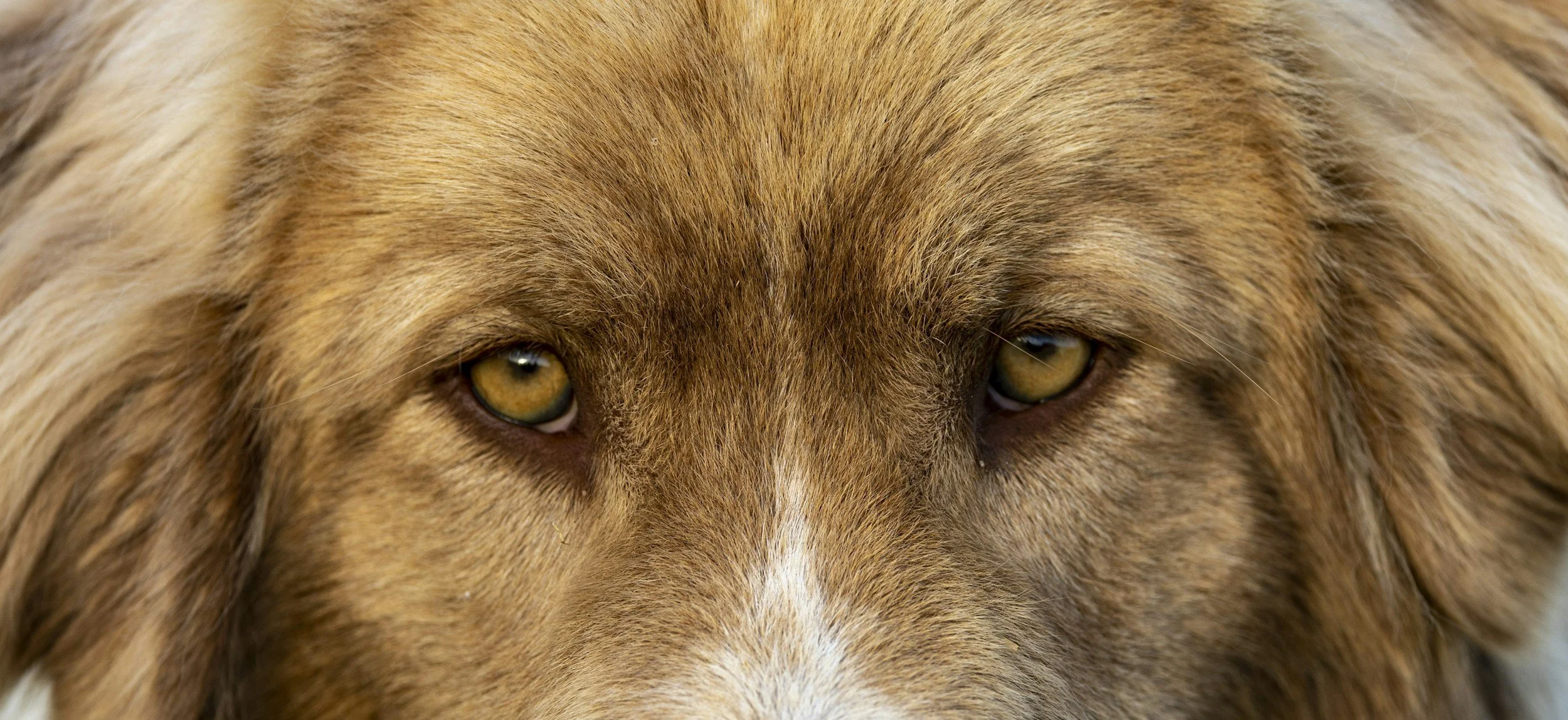
A further escalation, which means you absolutely should not approach, is if you see what we call hard eye. This is an intense form of eye contact, in which the eyes are rounded and held wide open, the stare is unblinking, pupils are dilated, and there is a lot of tension in the face and the rest of the body. This type of eye communication is something dogs use when they are resource guarding or feel threatened. Continuing to advance or do what you are doing can leave the dog feeling like their only option left is to bite. De-escalate the situation by backing off immediately.
Hard Eye looks like an intense and unblinking gaze in which the rest of the dog’s body and face is stiff. This is a more aggressive body language that means you should definitely not continue putting pressure on your dog.
How can your dog’s eyes tell you it’s okay to come a little closer?
Just like dog eyes can communicate when to back off, they can also communicate when it’s okay to come a little closer. You will notice something we call soft eyes, in which the dog’s eyes are more relaxed. Instead of being held wide open, you will often see more of an almond shape. Their eyelids may be partially closed, and their gaze is gentler, with slow and more frequent blinking. You will not see as much of sclera (whites of the eyes). In contrast with hard eyes, you will notice more loose body language overall.
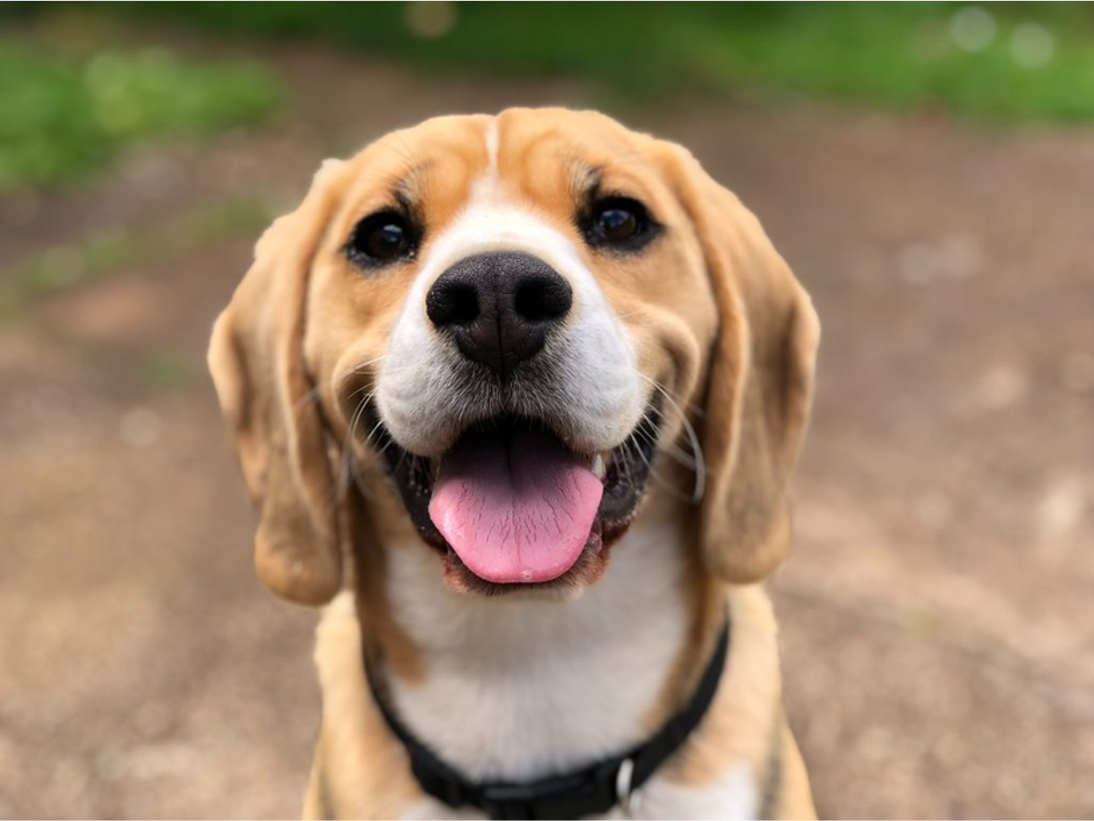
Soft Eyes may look like a more gentle gaze with eyelids partially closed. The rest of the body and face are loose. This is what a dog looks like when they are feeling comfortable and relaxed.
If you notice soft eyes, this means that your dog is relaxed and calm and that they are not feeling anxious or threatened. Feel free to approach or keep doing what you are doing, but be on the lookout for escalations into distance increasing signals to know if you should stop. Just because your dog is comfortable with what you are doing in the present moment, does not mean they will be comfortable with you closing the gap or changing what you are doing.
Just like humans use body language to communicate, so do dogs. While some of what they do might mean different things than what they mean in people, we can learn and use their cues to ensure that we are interpreting their signals correctly. Differentiating between whale eye, hard eye, and soft eye is key for understanding how our dogs are feeling. We can continue to build trust in our animals and strengthen our human-animal bonds by listening to what they are saying and respecting their boundaries.
These tips aren’t just for you—make sure that, if you have kids or any other people that interact with your dog, you help them understand these cues, too. If you notice your dog is uncomfortable with what someone is doing, speak up for your dog or remove them from the situation. You understand your dog’s body language while others may not. You are their voice in situations like that.
To learn more about dog body language, continue to follow this series. For more individualized help with dog training and behavioral management, please view my services here.