

How to Find a Pet Sitter for Reactive or Anxious Pets (Fort Collins Guide)
Pet sitting for reactive or anxious pets requires more than basic care. It requires an understanding of behavior, including recognizing stress signals and creating a safe, predictable environment. For many pets, staying in their home with a knowledgeable pet care professional can significantly reduce anxiety compared to boarding. Here’s what to know when choosing the right care for your pet.

What does reactivity or Anxiety Look Like?
Reactive or anxious pets may:
Experience stress with new people, environments, or routines
Bark, hiss, lunge, or hide in response to triggers
Show signs like pacing, whining, or avoidance
Display destructive behaviors such as chewing on inappropriate objects or pooping inside the house
Understanding these behaviors is key to to providing appropriate care.

Why In-Home Pet Sitting is the Best option
For reactive or anxious pets, environment matters. Benefits of in-home care include:
Familiar surroundings reduce stress
Fewer exposures to triggers (other dogs, strangers, noises, etc.)
Maintains routine and predictability
One-on-one attention
Learn more about in-home pet sitting in Fort Collins here
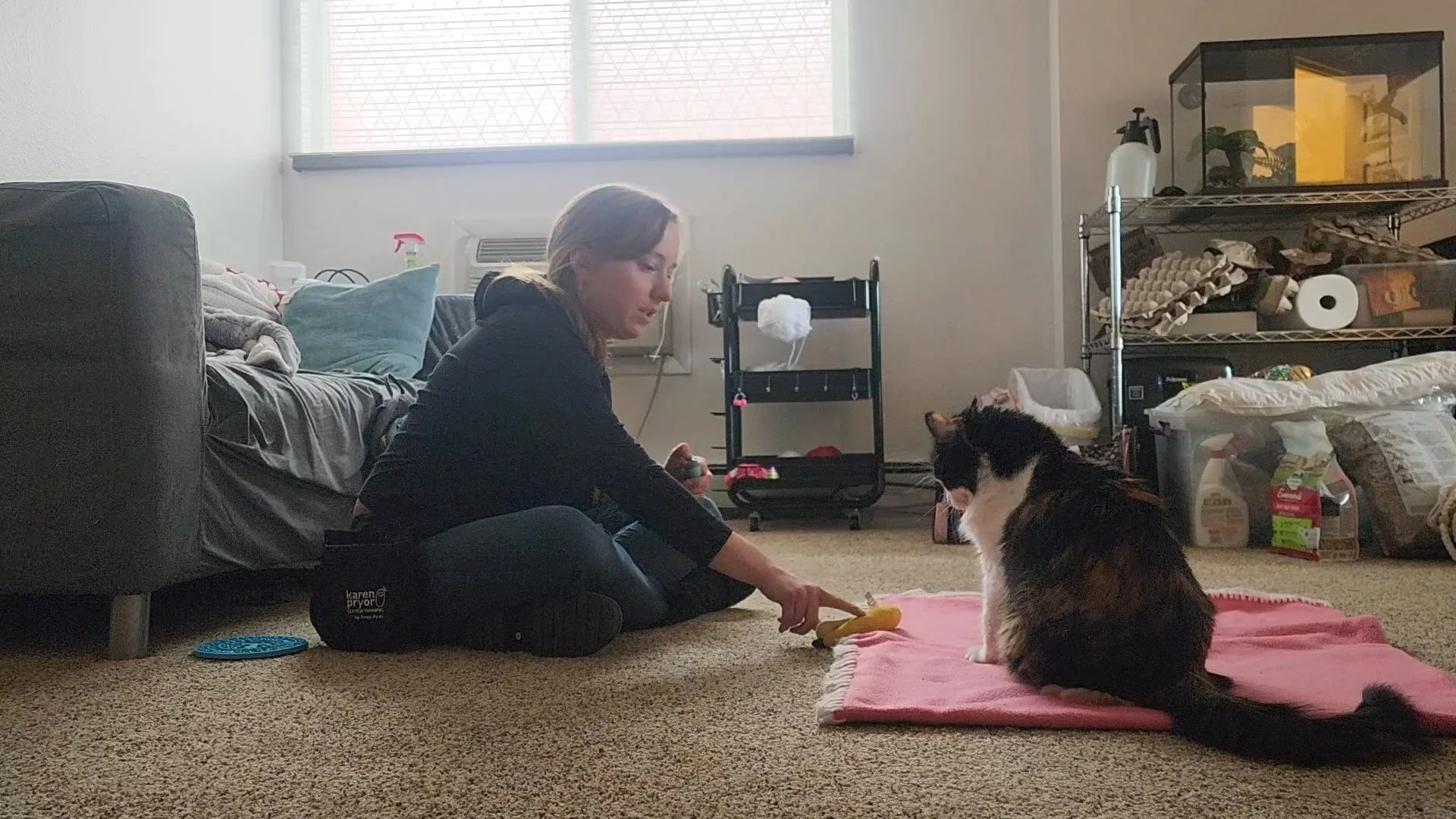
What to Look for in a Pet Sitter
Not all sitters are equipped to handle behavioral needs. Look for:
Experience with reactive or anxious animals
Knowledge of body language and stress signals
Positive reinforcement-based handling
Ability to adapt to your pet’s comfort level
You can read your pet care professional’s reviews and look for qualifications that indicate their ability to handle behavioral needs.

How a Skilled Sitter Reduces Stress
A qualified sitter doesn’t just watch your pet; they actively manage their experience.
They may:
Adjust interactions based on your pet’s comfort level
Avoid known triggers
Use calm, predictable routines
Provide enrichment and mental stimulation
Ensure that your pet care professional communicates with you to come up with a plan to handle behavioral needs while you are away.

Preparing your Reactive or Anxious Pet for a Sitter
Preparing your pet can make a major difference in the quality of their care while you are away. Steps to take include:
Schedule a meet & greet with your sitter before you leave
Share detailed behavioral notes
Identify triggers and what has or hasn’t worked to help your pet feel safer
Keep routines consistent before departure
Ensuring that your pet care professional has all the information they need to provide the right care for your pet is key to a better experience. You can learn more about preparing your pet for a sitter for the first time here.

Common Mistakes to Avoid
Choosing a sitter without behavioral experience
Boarding your pet when there are other options
Skipping the meet & greet
Not sharing important behavioral-details with your pet care professional
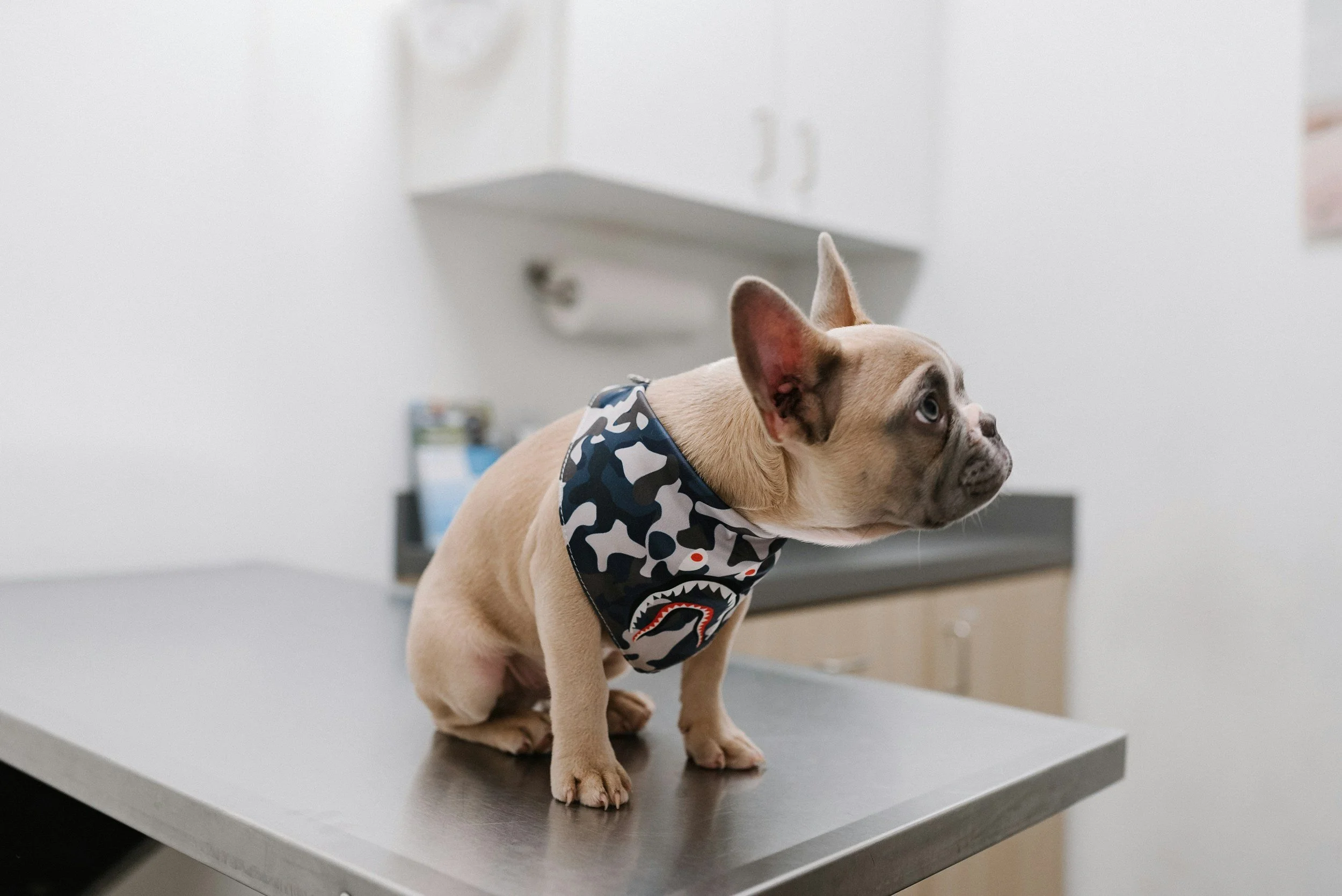
When to Seek More Help
Pet sitting may need modification if:
The pet cannot be safely approached
There are severe and unmanaged behaviors associated with heightened anxiety while you are away
When veterinary intervention is needed
If behaviors are particularly severe, it is worth speaking to a veterinarian about your pet’s behavior to see if there is a way to manage it medically. It can also be helpful to seek behavioral management before you schedule trips away from your pet.

Why experience Matters More than Price
Reactive or anxious pets require:
More time and attention
Higher skill level
Thoughtful and compassionate handling
Choosing based on price alone can lead to:
Increased stress for your pet
Safety risks
Negative behavioral set-backs
See more about pet sitting costs in Fort Collins here.

Final Thoughts: Finding The Right Care Makes All the Difference
For reactive or anxious pets, the right sitter isn’t just convenient—it’s essential. With the right approach, your pet can stay safe, comfortable, and supported while you’re away.
Looking for a pet sitter who understands behavior—not just basic care?
At Jigsaw Animal Behavior and Welfare Consulting, we specialize in working with reactive and anxious pets, providing low-stress, in-home care tailored to each animal’s needs.
Learn more about our services:
Frequently Asked Questions
Can a reactive dog have a pet sitter?
Yes, but it’s important to choose a sitter with experience in behavior and handling reactive dogs safely.
Is boarding stressful for anxious pets?
For many pets, boarding can increase stress due to unfamiliar environments and stimuli.
How do I prepare my anxious pet for a sitter?
Use gradual introductions, provide detailed instructions, and maintain routines as much as possible.
What should a pet sitter know about my reactive pet?
Triggers, warning signs, safe handling techniques, and any past incidents.